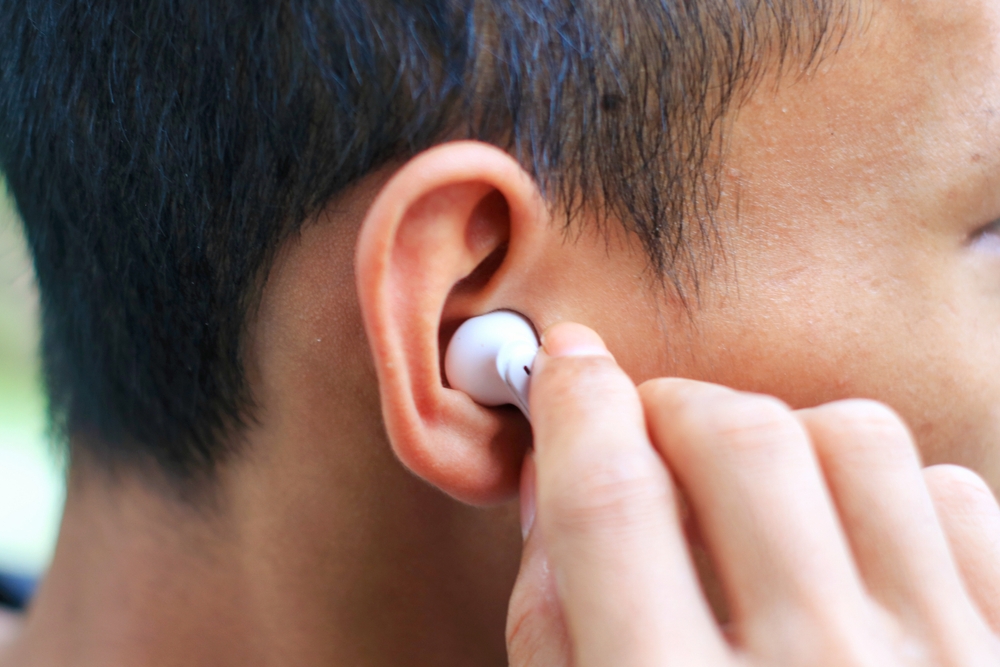
In modern public spaces, the sight of a young person without some form of in-ear audio is rare. Even with their larger footprint, headphones remain a popular choice for teenagers looking to disconnect from the world. We all enjoy listening to music, no matter our age, but younger people rely on music to pass the time. Given their intimate position near the eardrum, are these devices a legitimate threat to our hearing? It’s not the device itself, but how we use it.
Too Much of a Good Thing
The psychological impact of music varies, serving to calm the nerves, provide emotional solace, or increase physiological arousal. The outcome is entirely dependent on the genre and frequency of the audio. Using a headphone or an earbud is a polite way to listen without disturbing others. This behavior is socially beneficial, and commuters often report a preference for this shared auditory boundaries on public transit.
The real questions are: how loud is too loud, and how long is too long? It is well-established that loud noise, regardless of the source, can compromise your long-term hearing sensitivity. When you listen for too long a time and at a very loud volume, you can irreparably damage your hearing. The onset of **Noise-Induced Hearing Loss** is insidious, meaning significant damage often precedes clinical awareness.
Why Earbuds Pose a Unique Threat to Hearing Health
Sound pressure level is the primary variable in the development of **NIHL**. Nevertheless, the timeframe of the sound exposure is just as critical a factor as the intensity itself.
- Clinical guidelines from the NIH suggest that listening at or below 70 dB prevents damage regardless of the duration.
- There is a direct correlation between increased sound pressure and the speed of hearing degradation.
- To protect your ears, utilize the 60/60 guideline: never exceed 60% power and rest after 60 minutes of use.
- You can safeguard your auditory health by reducing device intensity and monitoring your cumulative daily usage.
Red Flags: When to Suspect Hearing Impairment
Experiencing aural fullness, persistent **tinnitus**, or difficulty deciphering dialogue in crowds suggests it is time for a clinical hearing test.
Reach out to our care team immediately if you are concerned about your current hearing sensitivity.