A rapid drop in hearing in one ear can cause immediate fear and leave patients confused regarding the appropriate next steps. Our clinical team conducts same-day diagnostic hearing evaluations and streamlines collaborative medical care following sudden auditory changes. Sudden hearing loss always requires immediate attention from a hearing specialist to explore treatment or hearing rehabilitation when needed.
Is Sudden Deafness in One Ear Considered a Medical Emergency?
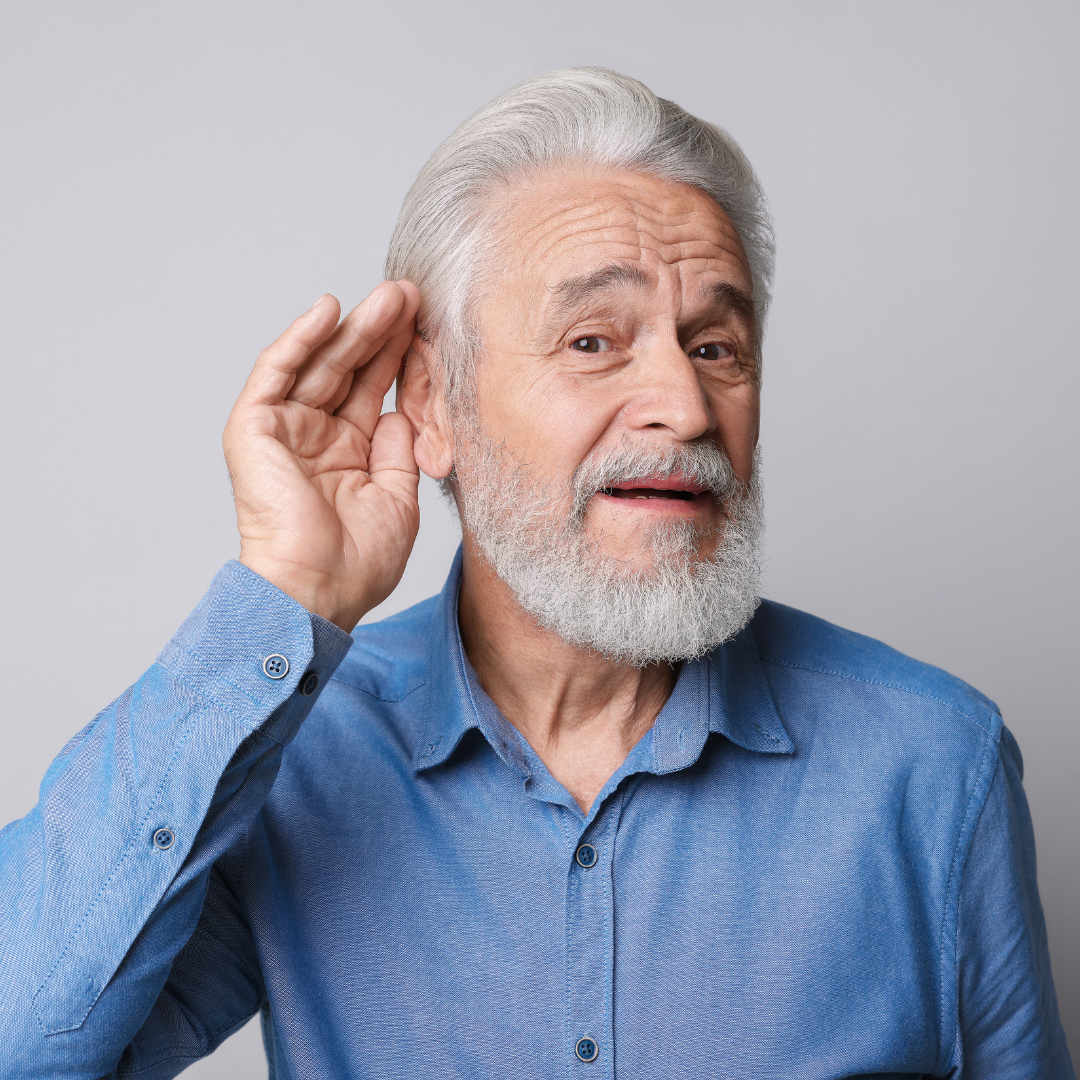
Yes, it is. Any acute unilateral sudden hearing loss warrants emergency medical management, notably when the deficit evolves within hours to days. Sudden sensorineural hearing loss (SSNHL), frequently referred to as sudden deafness, stems from pathology within the cochlea or the auditory nerve pathways. It generally arises in the absence of pain, causing individuals to mistakenly assume their ear is simply plugged or congested.
Potential signs of this condition include:
- A rapid decrease in volume or clarity on one side
- Difficulty processing telephone audio when switching the device to the affected ear
- A physical popping sensation or localized ear pressure immediately prior to the hearing drop
- Sudden-onset tinnitus characterized by ringing, buzzing, or roaring within the impaired ear
- The sudden appearance of true vertigo, gait imbalance, or persistent dizziness
Never postpone clinical evaluation while waiting to see if hearing improves on its own. Contact us, an urgent care clinic, or an ear, nose, and throat specialist for same-day guidance.
Timing and Prognosis: Why Immediate Care for Sudden Hearing Loss Is Vital
Rapid diagnostic assessment matters tremendously because medical management of sudden sensorineural hearing loss is most effective during the initial window. We must immediately determine if the loss is conductive—stemming from earwax blockage or middle-ear pathology—or sensorineural, signifying inner ear or neural involvement. Both conditions produce overlapping sensations of aural fullness and hearing loss, but their clinical interventions are entirely divergent.
An ear examination and a diagnostic hearing test can identify the type, pattern, and severity of the loss.
Pursue immediate hospital emergency assessment if your sudden hearing loss coincides with:
- Acute facial asymmetry, motor weakness, or cranial nerve numbness
- Impaired speech articulation, profound cognitive confusion, or an intense new headache
- Bilateral double vision, syncopal collapse, or an inability to maintain normal walking gait
- Severe chest pain, shortness of breath, or critical emergency symptoms
These severe symptoms may reflect critical neurological compromise or vascular pathology and must never be managed through a standard appointment.
Pathophysiological Causes of Sudden Sensorineural Hearing Loss
For the vast majority of patients with sudden sensorineural hearing loss, the exact etiology remains idiopathic. When diagnostic testing isolates a specific trigger, it generally involves cochlear inflammation, physical trauma, compromised vascular perfusion, autoimmune dysfunction, or neural pathology.
Common clinical factors include:
- Viral cochleitis or secondary bacterial infections
- Concussive physical head trauma or sudden high-decibel acoustic trauma
- Autoimmune conditions
- Pharmacological ototoxicity resulting from specific clinical medications
- Microvascular insufficiency, cochlear ischemia, or impaired vascular flow
- Primary inner ear disorders, such as endolymphatic hydrops or Ménière’s disease
- Central nervous system conditions, such as progressive multiple sclerosis
- A growth on the hearing and balance nerve
Given that subjective symptoms cannot distinguish between these conditions, rapid clinical evaluation and audiologic testing are vital.
Treating Sudden Sensorineural Hearing Loss: Corticosteroids and Advanced Care
Corticosteroids are widely prescribed as the cornerstone medical treatment for idiopathic sudden sensorineural hearing loss. They may be taken by mouth or delivered through the eardrum into the middle ear, where the medication can reach the inner ear. Treatment options are made by us and should account for the timing and severity of the loss, medical conditions, current medications, and potential side effects.
Steroids are typically administered within the first two weeks of onset, making it critical to begin medication as early as medically appropriate. Serial intratympanic steroid injections can also be utilized as a secondary salvage therapy if initial oral treatment achieves incomplete recovery. In specific clinical presentations, the otolaryngologist may recommend combining hyperbaric oxygen therapy alongside standard steroid regimens.
Can Sudden Hearing Loss in One Ear Go Away on Its Own?
Certain instances of sudden sensorineural hearing loss do demonstrate spontaneous improvement without therapeutic intervention. About half of diagnosed individuals regain varying degrees of hearing without treatment, typically over the initial two weeks. Even so, clinicians cannot reliably forecast at the start who will recover, the extent of hearing restoration, or whether recovery will be permanent.
The possibility that hearing might return spontaneously is never an acceptable reason to delay emergency treatment. Initiating treatment several weeks following symptom onset drastically reduces the probability of reversing permanent damage, effectively shutting a vital clinical window. Recovery may be complete, partial, or minimal.
What Happens If Sudden Sensorineural Hearing Loss Fails to Improve?
If hearing does not fully recover, the next step depends on how much hearing remains, how well the affected ear understands speech, and whether an underlying cause has been ruled out. Diagnostic protocols may involve scheduling a cranial MRI scan or performing an auditory brainstem response test to inspect the auditory nerve and brainstem pathways.
Advanced long-term management strategies feature:
- A traditional hearing aid when the ear retains usable hearing
- Utilizing a CROS hearing aid system designed to stream acoustic signals from the impaired ear to the normal-hearing ear
- A bone-conduction device for appropriate candidates
- Clinical cochlear implantation for candidates meeting criteria for profound unilateral deafness
- Assistive listening technology for work, school, or conversations
Comprehensive audiologic rehabilitation helps remediate mental listening fatigue, spatial sound localization deficits, and everyday communication barriers. Choosing the best rehabilitative device hinges upon clinical hearing test scores, communication environments, medical background, and individual preferences.
Book an Immediate Diagnostic Hearing Evaluation
If your hearing changed suddenly today or within the past few days, seek same-day medical guidance rather than waiting for a routine visit. We can perform diagnostic hearing testing, compare both ears, review when the change began, and coordinate with an ear, nose, and throat physician or another medical provider when necessary.
Contact our audiology practice today to schedule an urgent hearing appointment.