
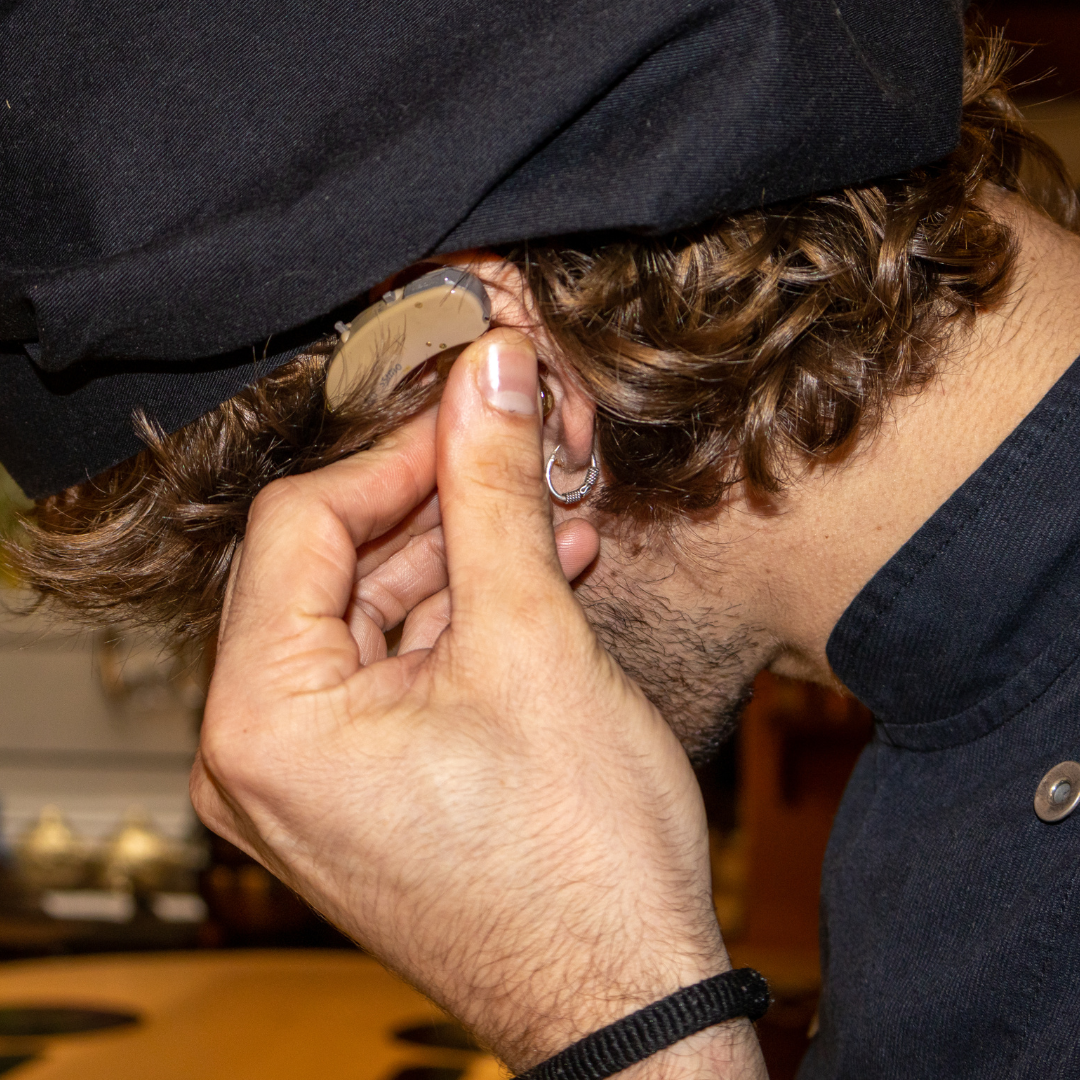



A primary reason individuals put off addressing auditory deficits is the assumption that assistive devices will be unsightly or awkward to wear. For decades, legacy acoustic amplifiers were cumbersomely large, highly conspicuous, and culturally tethered to physical senescence. Regrettably, some people even experienced social alienation because acquaintances falsely assumed that wearing a visible aid signaled […]
Patients researching therapeutic sound amplification often find that the initial acquisition expense stands out immediately. Based on the sophistication of the digital signal processing and the required audiometric programming, these devices span a wide pricing spectrum. For many people, that comes as a surprise, and it can understandably feel like a stopping point. The sticker […]
Are hearing aids covered by Medicare? To be direct: they are not. Hearing aids are not covered under Original Medicare. We realize this is disappointing news, and it often comes as a surprise to many of our patients. Luckily, that isn’t the end of the discussion. Different avenues—including Medicare Advantage, payment plans, and extra benefits—can […]
In modern public spaces, the sight of a young person without some form of in-ear audio is rare. Even with their larger footprint, headphones remain a popular choice for teenagers looking to disconnect from the world. We all enjoy listening to music, no matter our age, but younger people rely on music to pass the […]
Most people think of hearing as something the ears do, which is partly true. Clinical evidence shows that auditory processing is a bilateral effort between the peripheral ears and the central nervous system. This term defines the brain’s specialized role in translating raw sound waves into coherent linguistic data. For instance, a patient may possess […]
While most assume hearing is localized to the ears, the brain serves as the primary engine for auditory interpretation. While the ears capture raw acoustic vibrations, the brain performs the heavy lifting of decoding them into language and thought. With the progression of hearing loss, the auditory cortex is deprived of essential frequency information. Prolonged […]
Have you ever felt totally drained after a long conversation or social gathering? You might initially blame your exhaustion on general tiredness or a busy lifestyle. While social gatherings are inherently demanding for people with sensory sensitivities, there may be another factor at play. But in some cases, the cause is a lesser-known culprit: auditory […]
Although hearing loss affects a vast demographic, false narratives continue to obstruct the path to effective ear care. And with hearing loss, getting the right care at the right time is critical. Adhering to standard hearing myths often leads to diagnostic delays and a measurable decline in life quality. Identifying the facts behind auditory health […]
While age and loud environments are primary drivers of hearing loss, the calendar year dictates specific changes in how we process sound. Feeling seasonal ear pressure or summer-related canal inflammation is a valid medical observation for many patients. Occurrences of seasonal hearing loss symptoms are frequently tied to the atmospheric and biological changes of the […]
It is common knowledge that acoustic trauma leads to hearing issues, though medicine remains a frequent yet overlooked factor. Drugs capable of affecting your auditory range are classified as ototoxic, signifying their ability to injure the internal ear structures. Although several ototoxic treatments are vital and successful for managing grave illnesses, understanding the dangers allows […]