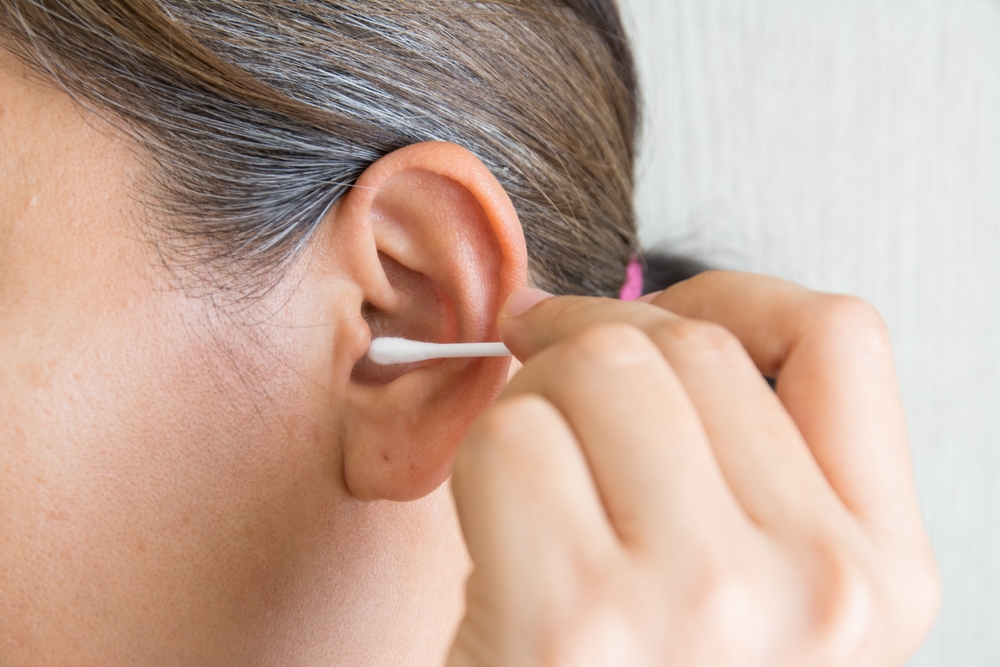
In a healthy ear, earwax gradually migrates to the outer opening and is naturally eliminated during washing. Under normal conditions, this biological process ensures the ear remains clear of excessive debris.
However, problems can occur when earwax builds up faster than the ear can clear it. Let us investigate why accumulation happens and how to distinguish between minor issues and a professional earwax blockage.
Understanding the Protective Role of Earwax
While often viewed as a nuisance, earwax serves as a vital defensive barrier for the auditory system. By utilizing its sticky consistency, cerumen prevents debris and microorganisms from entering the sensitive deeper ear. Furthermore, its lipid content ensures the ear canal remains moisturized and resistant to external irritants.
Triggers for Pathological Cerumen Accumulation
Several common habits and conditions can cause earwax to accumulate instead of clearing naturally. The result of an earwax blockage often includes muffled sound, balance issues, and persistent ringing.
Typical drivers of excessive earwax accumulation involve:
Mechanical interference with Q-tips
Probing the ear with swabs typically forces cerumen against the tympanic membrane rather than extracting it. Sustained use of these tools eventually creates a dense, hardened impaction.
The presence of hearing technology or in-ear headphones
Devices that sit in the ear canal can prevent wax from moving outward normally and may push it deeper into the ear.
Individual differences in the geometry of the ear canal
Specific structural configurations can impede the ear’s ability to transport cerumen effectively.
Hyperactive ceruminous glands
Certain individuals simply produce more wax than average.
How to Safely Address Mild Earwax Buildup at Home
If you suspect a slight blockage, conservative home techniques can help emulsify the wax. Acceptable home interventions involve:
- Over-the-counter ear drops can help break down hardened wax.
- Post-softening, a gentle lavage with a bulb syringe and tepid water can flush the canal.
- Use a few drops of hydrogen peroxide to loosen wax, and wait for fizzing to stop before letting ears drain.
These techniques generally support the biological self-cleaning mechanism in minor cases. However, specific items must be strictly avoided during any home ear-cleaning attempt. The following actions can exacerbate an earwax blockage or rupture the tympanic membrane:
- Cotton-tipped applicators or swabs
- Pointed tools like hairpins or paperclips
- Thermal ear candles or cones
- Aggressive flushing or high-pressure irrigation
When Professional Earwax Removal Is Needed
When earwax is fully occluding the canal, professional extraction becomes necessary. Under these circumstances, a clinical extraction performed by a professional is the only safe course.
An ENT expert utilizes specialized otoscopes and micro-instruments to safely extract the blockage. Clinical cleaning is typically an efficient procedure that resolves earwax blockage symptoms instantly. Clinicians may employ microsuction, curettage, or medical-grade irrigation systems.
Clinical consultation is recommended if you observe:
- Acute auditory decline or dampened sound
- Localized pain within the ear canal
- Ongoing internal noise sensations
- A sensation of spinning or imbalance
- Failure to resolve the blockage with conservative home measures
Conclusions on Aural Hygiene and Health
Generally, the auditory system is highly efficient at maintaining its own cleanliness. It’s also worth noting that trying to remove earwax too aggressively can create more problems than it solves.
But if you frequently experience earwax buildup, we can recommend safe ways to manage and help prevent blockages. Through diligent care and periodic clinical visits, you can maintain optimal aural health. For assistance with an earwax blockage or to learn more about ear hygiene, contact our office. Our team is ready to assist you!